Habit of Distance
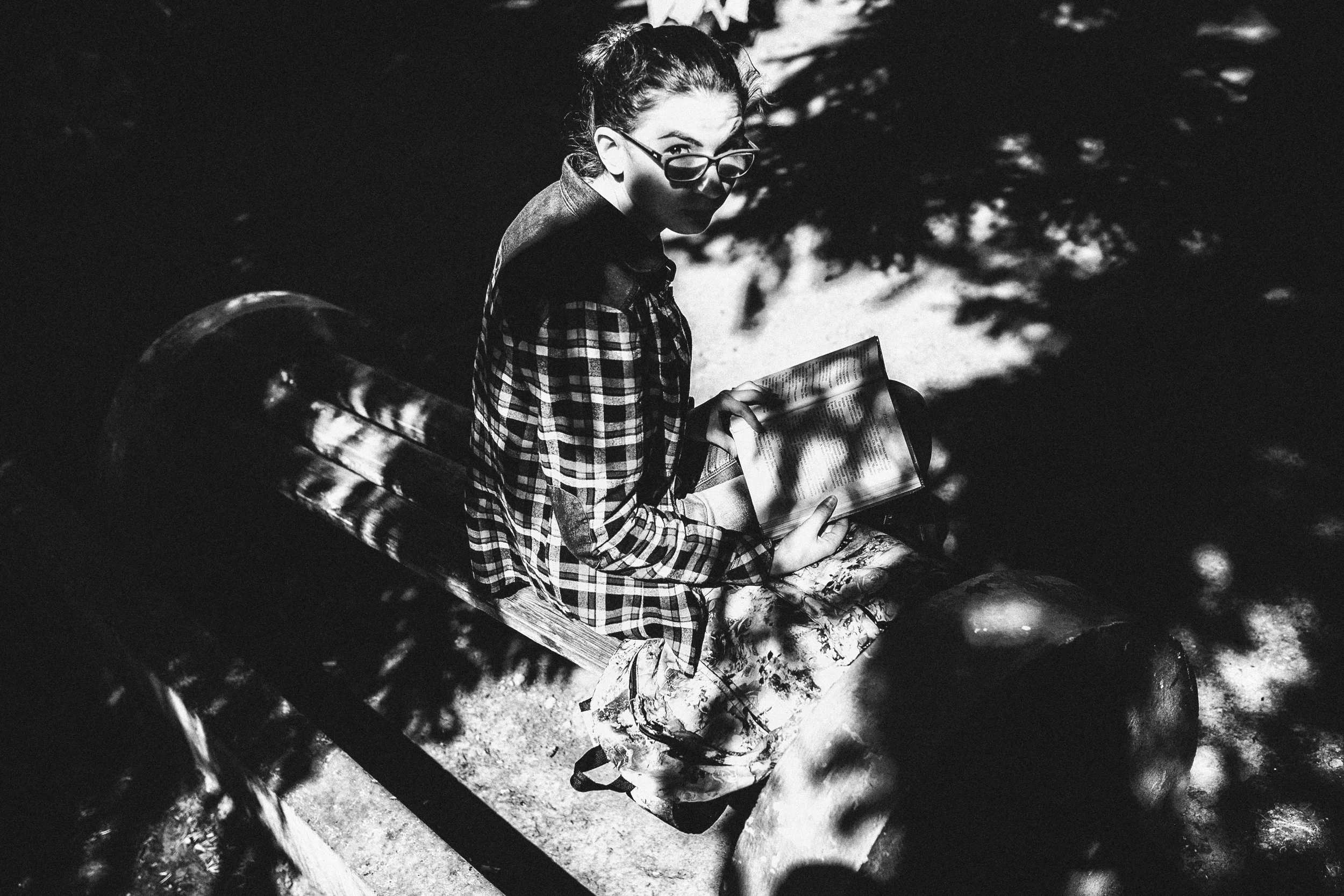
Photo by Kaique Rocha
On Dad’s 84th birthday, Harvey called, concerned about Dad’s disconnected phone. Harvey and Dad were the last of their generation, two boys thrust into manhood by the Korean War, bound by the memories and loss.
Dad seldom talked about his military service or the people he served with, and I never felt comfortable probing, though I was curious. Once, I asked my grandmother. She knew a little more, saying the war had been hard on him. She told me his best friend had been killed and that Dad received a Purple Heart but never went back to claim it, wanting to leave the war behind.
After their military service, Harvey became a psychiatrist, while my father became a civil engineer. Although they kept in touch over the years, I only knew Harvey’s name, not his face.
“I’m sorry to have to tell you this, but my father passed away.”
“What happened?”
“I’m not quite sure,” I said.
As I spoke, I struggled to find the right words. I couldn’t remember the exact date my father died. I only remembered it was a Sunday because I was at the Padre Hotel after figure drawing class when my brother called with the news. I didn’t cry.
I couldn’t give Harvey the details he wanted: the specific date, cause, or time of Dad’s death, or a comforting story about his last moments on earth surrounded by family and a packed church memorial. The reality was quite different. Dad was an atheist. He wanted to be cremated quietly, without fanfare. I don’t know where his ashes ended up.
“What do you mean you’re not sure?”
“He passed away around two months ago,” I said.
“How did he die?
“I think it had something to do with his lungs.” I could tell Harvey was frustrated with me.
Then Harvey asked about my life. I shared details about my family, my job, and my writing. I said I was at peace with Dad’s passing, proud of his long life, and grateful for the life he gave us. When I mentioned writing about our family’s time abroad, I noticed Harvey’s tone changed.
Harvey hesitated, his voice softer. “You know, I never understood why your father took those jobs overseas and sent you and your brother away to boarding school.”
I was caught off guard. Harvey brought up an idea I’d never considered, and now it stays with me.
In 1972, Dad became an engineer on the Tarbela Dam in Pakistan, the world’s largest earth-filled dam. It was a huge career move and an adventure for us all. I don’t remember being asked for my input or opinion. The idea of moving halfway around the world didn’t scare me because my parents’ confidence and excitement eased my fears.
After two years at the American School at Tarbela, my brother and I were sent to a Christian missionary boarding school in the Himalayas. My parents made this choice to give us the best education they could, though they knew there would be consequences. They became empty nesters far too soon, and I became independent much earlier than most.
When Dad turned fifty, he started a new job on a hydroelectric project in southern Thailand. By then, my brother had left for college in the States, but I remained in high school. Because the job site was remote, I was sent to a Christian missionary boarding school on the island of Penang, Malaysia, a transition that was seamless for me. After graduation, I joined my brother in the States for college, and Dad started a new job working on a dam in Venezuela. A few years later, my parents moved to the Dominican Republic for their last overseas project before retiring in Arizona in 1988.
Harvey’s comment affected me more than anything friends or strangers have said about my unusual childhood. It felt like he was hinting that my dad had failed in some way. I always thought living overseas was the greatest gift he could have given me, but I never considered what it cost all of us in terms of distance.
At boarding school, friends and dorm parents became my family. They helped me through first crushes, awkward years, and new experiences like learning to ride a unicycle and visiting a leprosy hospital. I thrived in that environment and never regretted it, but sometimes I wonder about those five years my parents missed. Our correspondence became more like business. Did it hurt us, or did we simply get used to the distance?
The true cost of Dad’s decision became clear: I didn’t know exactly when he died, nor was I with him in his final days, just as I hadn’t been there for Mom. That distance left me emotionally detached. Harvey seemed to understand, maybe better than I did, how distance quietly becomes habit. I felt it in the silence on the drive with my dad to my wedding, and I hear it in birthday calls with my brother. Now, with my parents gone, what remains is a kind of indifference, a numbness where something more should be.
I’m grateful for the experiences Dad gave me, but maybe his greatest gift is a different kind of legacy. Rather than passing on the habit of distance, I choose connection with my own children, hoping to give them the presence I never had.
