Bees and People
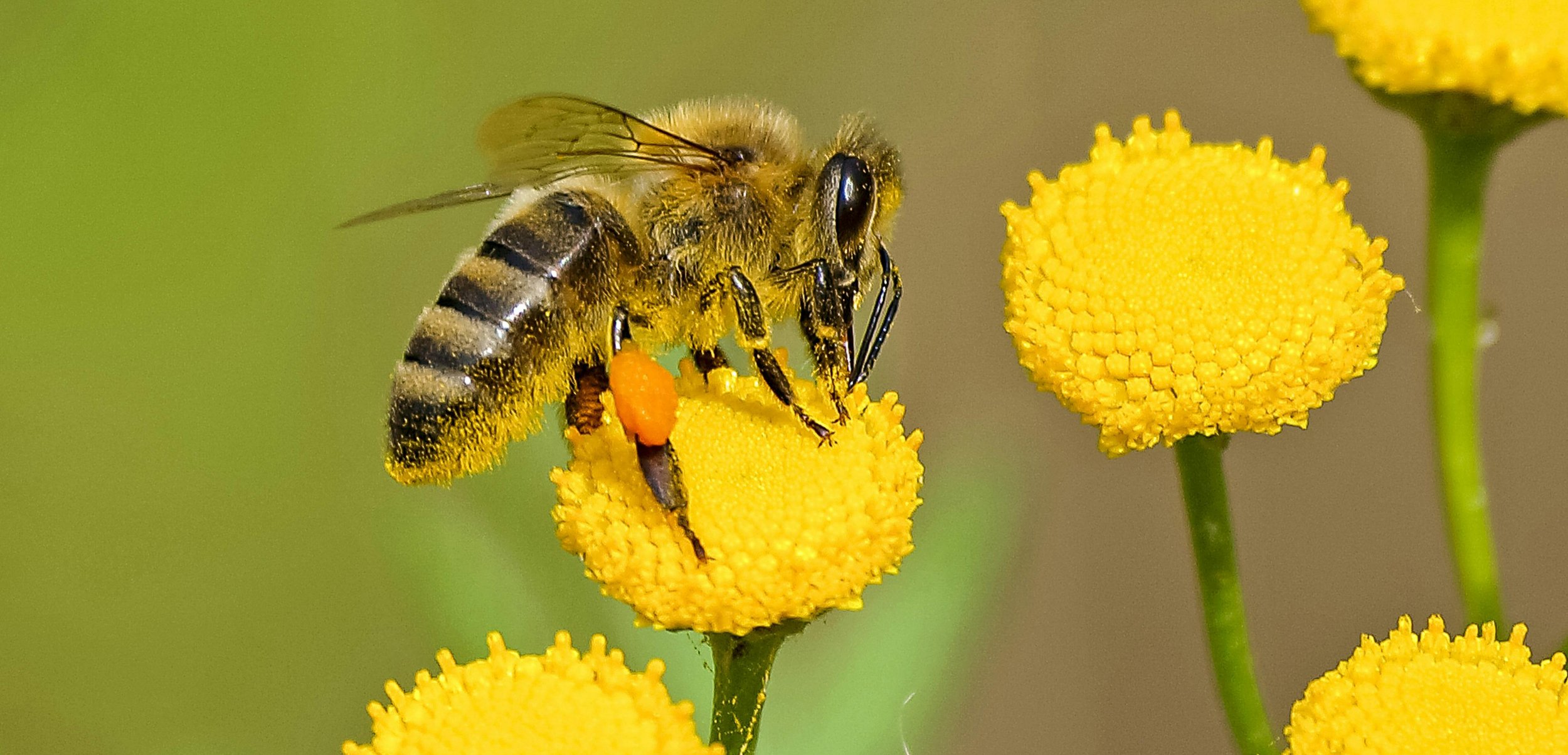
Photo by Pixabay
What’s on my mind?
Bees and People by Naum Loyrish. If you’re expecting a literary review, sadly, you’re mistaken. Bees and People is a Russian book published in 1974, translated into English, and that’s where my story begins.
My dad was an intellectual, a thinker, well-read, adept at the piano, and a connoisseur of classical music. When he wasn’t developing photos in his darkroom or hiking in the middle of nowhere, he worked as a civil engineer on hydroelectric projects around the world, like the Tarbela dam in Pakistan. Looking back, we were quite opposite. I was squirrelly with an attention span of a gnat, yet creative and artistic. The contrast between us became even clearer during certain moments.
During my freshman year, my brother and I celebrated our birthdays at the Hill Top hotel in Changla Gali. Our parents had sprung us from boarding school for a weekend getaway since our birthdays were only a few days apart. I remember that weekend, high tea and misty treetops.
Birthday gifts from my parents were standard. I always got money, imported chocolate from the Tarbela commissary, maybe a trinket, or a Kashmiri papier-mâché box—just enough to ensure I had more to open than an envelope with a card. But that year was different. For the first and only time, Dad gave me a gift himself. I unwrapped it to find a small, hardcover Russian book about bees he’d picked up from a bookseller in Rawalpindi. Inside the cover, he had written: “To Ann, from Dad, August 15, 1976, Changa Gali.” I was so surprised, I didn’t know what to say—so I tore open a chocolate bar and started flipping through the chapters.
Bees and People features chapters such as "The Biology of Bees," "Beekeeping Down the Ages," "Honey and Its Properties," "The Curative Properties of Bee Venom," and "Honey in the Home." It covers almost everything about bees and their relationship with humans. Additionally, it outlines what to do if you are stung. But it isn’t a textbook. Instead, it’s described as “A story of the fascination of working with bees, and how bee-farms could become natural centres of healing and real sources of health and happiness.”
Why gift your fifteen-year-old daughter a 213-page Russian book about bees? I have a few theories. They go back to the Tarbela 7th-grade science fair the year before, when I built a huge, glorious papier-mâché bee for my project. Instead of carefully researching and writing the report, I poured all my energy into crafting that wonderful bee. When the results were announced and I didn’t even place, I was crushed. Maybe Dad remembered that project—maybe the book was his way of acknowledging my creativity, or a gentle nudge toward deeper research than flipping through the World Book Encyclopedia. Or perhaps he simply stumbled upon a quirky, thoughtful book that made him think of me. Whatever his reasons, Bees and People always reminds me of my dad, and it still brings a smile to my face.
And the funny thing is, Dad was allergic to bees.
